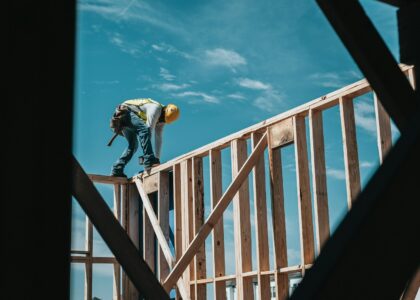
Commercial property is a significant investment, whether it is a retail shop, office, warehouse, factory or mixed-use building. Commercial building insurance protects that investment against damage and helps protect your rental income and legal liability as an owner.
What Does Commercial Building Insurance Cover?
Cover varies by insurer and policy, but commonly includes:
- Building damage from fire, storm, lightning, impact, escape of liquid, malicious damage and other insured events
- Landlord’s fixtures and fittings, such as carpets, lighting and air-conditioning
- Loss of rent if tenants cannot occupy the property after an insured event
- Public liability as the property owner
- Glass, including shopfronts and large windows
- Machinery breakdown for lifts, air-conditioning and other building plant
- Additional costs such as demolition, debris removal, professional fees and compliance upgrades
Owner-Occupied vs Leased Properties
If you occupy the building yourself, your policy may combine building cover with business contents and business interruption. If you lease it to tenants, your focus shifts to building cover, loss of rent and landlord’s liability. Your tenants should hold their own insurance for their contents and public liability, and many leases require it.
Getting the Sum Insured Right
As with homes, underinsurance is a real risk for commercial property. Your sum insured should reflect the full cost to rebuild, including demolition, professional fees and compliance with current building codes. For larger or specialised buildings, a professional valuation for insurance purposes is often worthwhile and should be updated periodically.
Strata and Multi-Tenanted Buildings
For buildings under an owners corporation, building insurance is usually arranged by the owners corporation. Individual owners may still need cover for their own fixtures, contents and liability within their unit.
Vacancy and Occupation Changes
Tell your insurer if your property becomes vacant or your tenants change their use of the building. A vacant building or one with a higher-risk occupant, such as a manufacturer using flammable materials, may affect your cover. Failing to disclose these changes could jeopardise a claim.
Risk Management Tips
- Maintain fire protection systems and keep service records.
- Inspect roofs, gutters and drainage regularly, especially before storm season.
- Secure vacant properties and arrange regular inspections.
- Check that tenants hold the insurance required under their lease.
Tailored Commercial Property Cover
Gidda Insurance Brokers works with property owners and investors to structure commercial building insurance that reflects the property, its tenants and its use. Visit our services page or contact us on 0491 999 555 to discuss your commercial property.
This article contains general information only and does not take into account your objectives, financial situation or needs. Before making a decision, consider whether the cover is appropriate for you and read the relevant Product Disclosure Statement (PDS) and Target Market Determination (TMD). Gidda Insurance Brokers Pty Ltd is an Authorised Representative (No. 001307383) of Regis Licensing Pty Ltd ABN 71 130 820 727, AFSL 338156.